
Case Studies / EAV Cargo
Scaling Pedal-Powered Logistics
EAV Cargo had a working vehicle but not yet a viable one. The engineering needed to be more durable, the costs needed to come down and the production process needed to scale. All three had to move together.
Built in the UK, in six months, from the inside out.
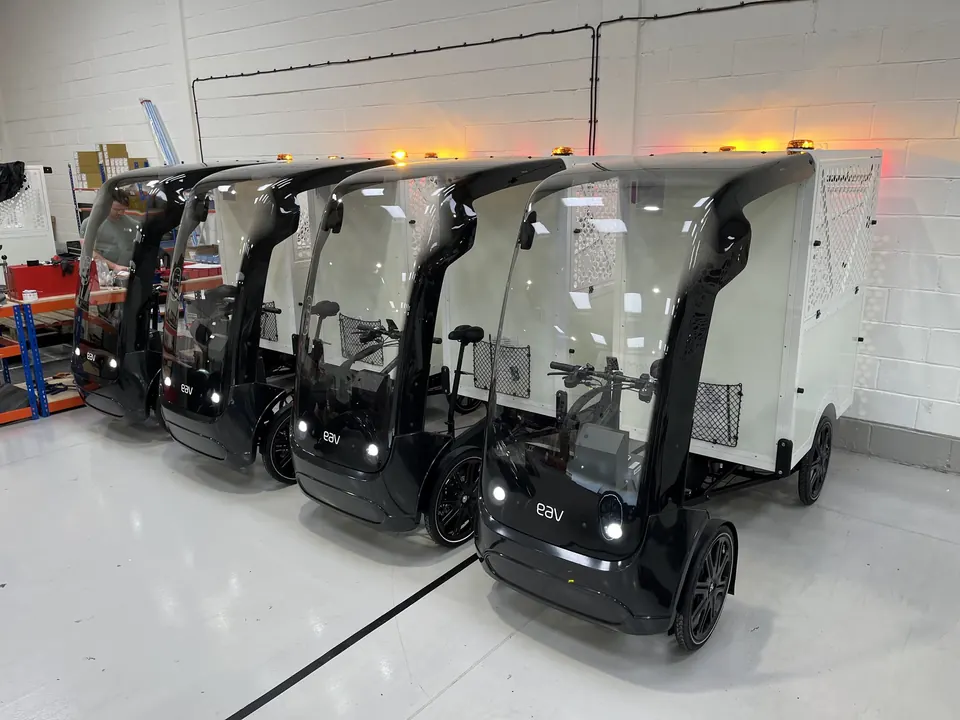
- Duration
- 6 Months
- Stages
- Concept to Production in the UK
- Basis
- In-House Lead Engineer
01 / Brief
The Challenge
EAV was founded during a period of high investor confidence in the micromobility sector.
By the time I joined, that confidence had cooled. The COVID bicycle boom had faded, investors were pushing for returns and the business was under real financial pressure.
The brief was clear: make the product commercially viable, fast. The clock was already ticking.
02 / Work
Responsibilities
As lead engineer, I was responsible for four things:
- 01Bring the cost of building each vehicle down significantly
- 02Redesign for easier, faster assembly to unblock production
- 03Make the product more durable and reduce the cost of ownership for customers
- 04Deliver additional models to expand the range
03 / Build
Project Image Gallery
-
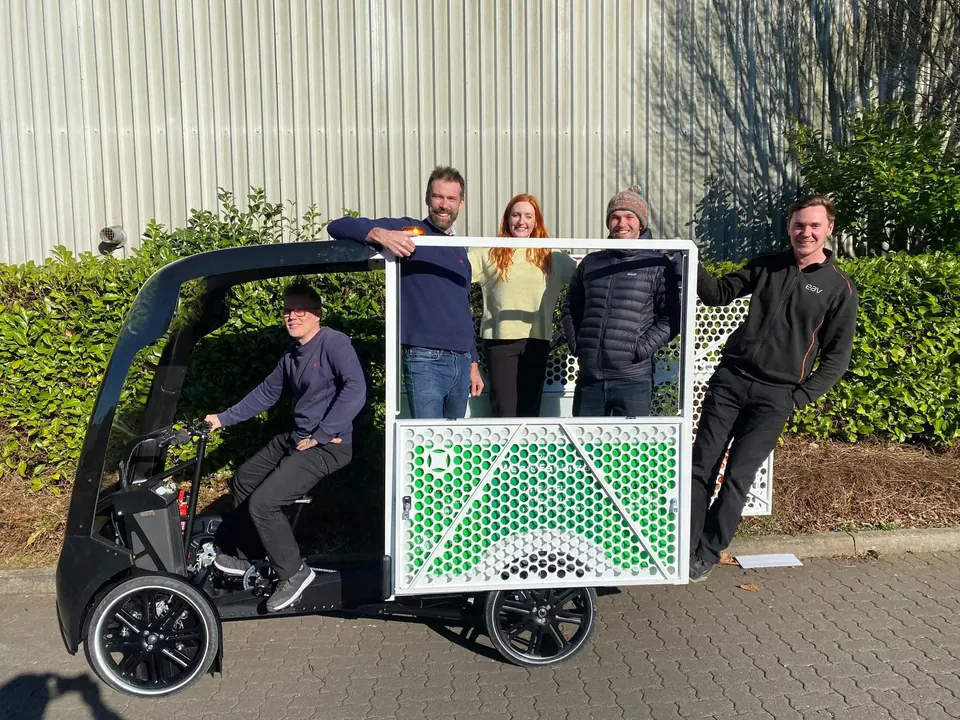
Fig. 01 of 11The EAV engineering team -
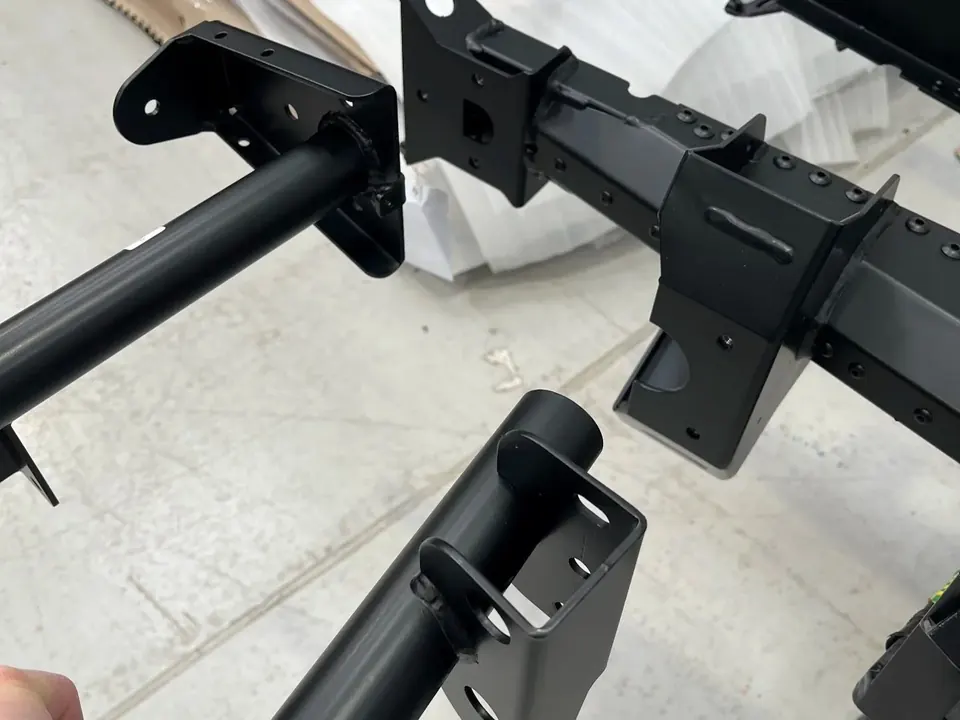
Fig. 02 of 11Chassis frame components tolerance stack rectification -
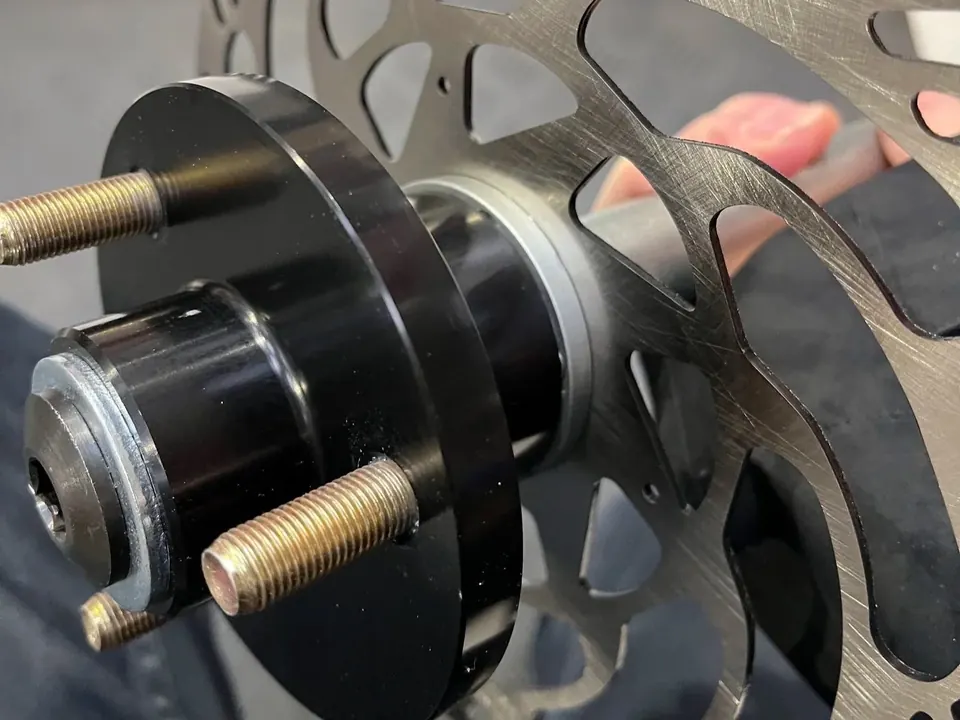
Fig. 03 of 11Hub tolerance stack rectification and redesign to improve ease of servicability -
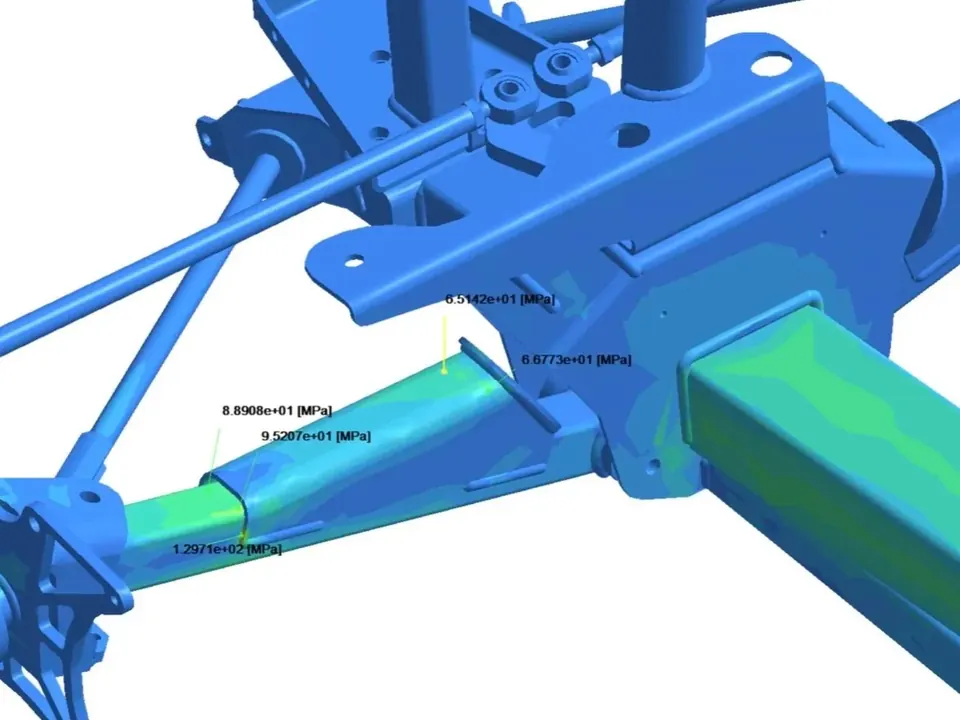
Fig. 04 of 11Portion of the chassis FEA development completed in Altair’s SimSolid -
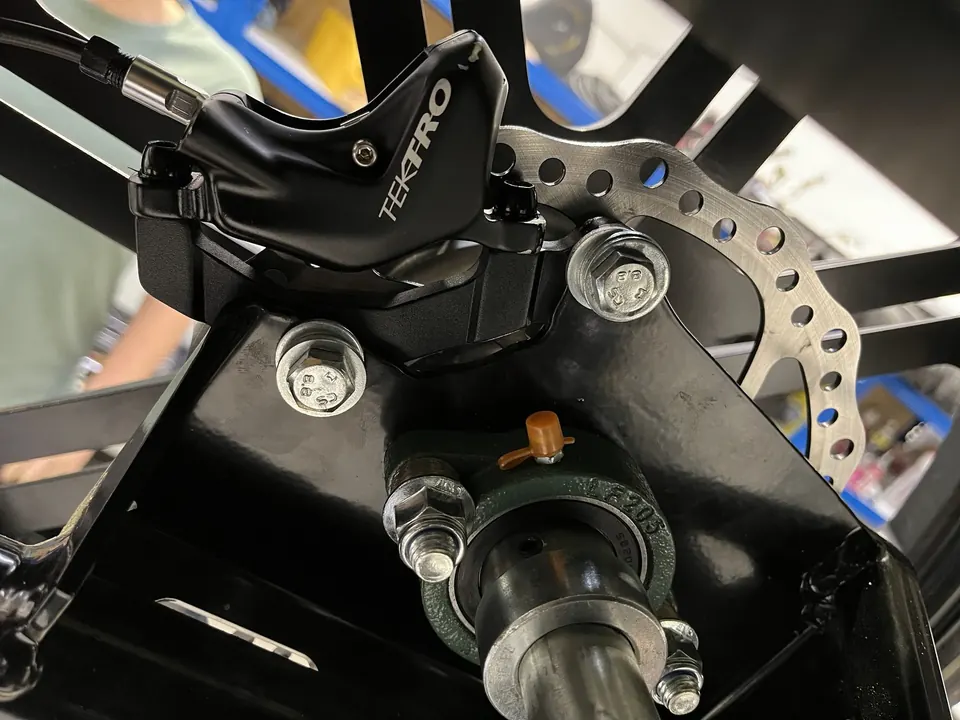
Fig. 05 of 11Ensuring compatibility with alternative braking systems -
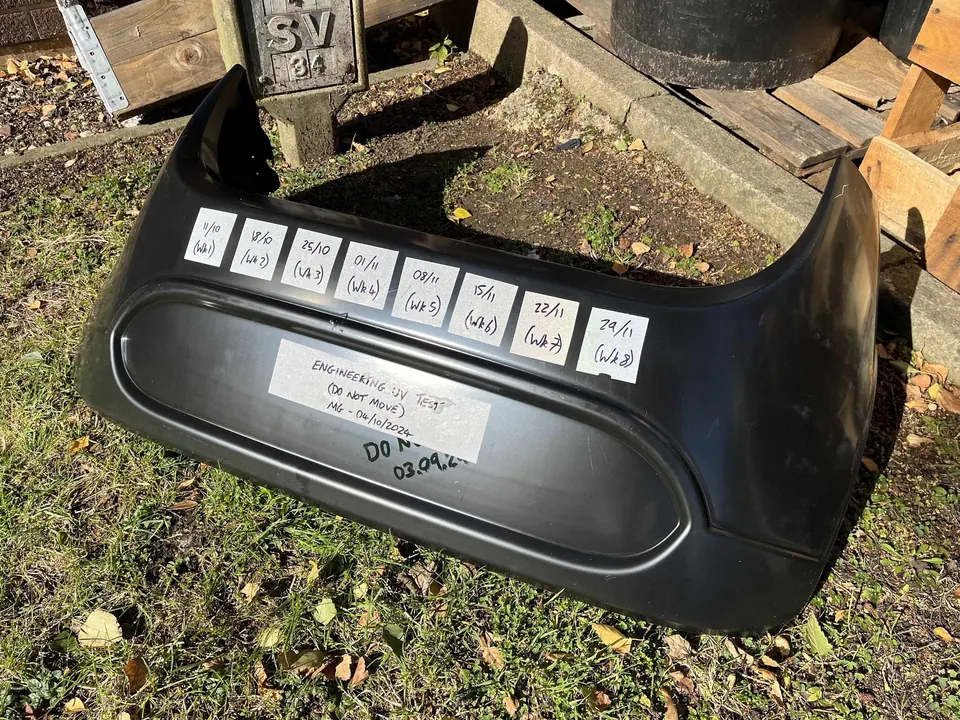
Fig. 06 of 11UV Exposure testing on the RIM molded front bumper -
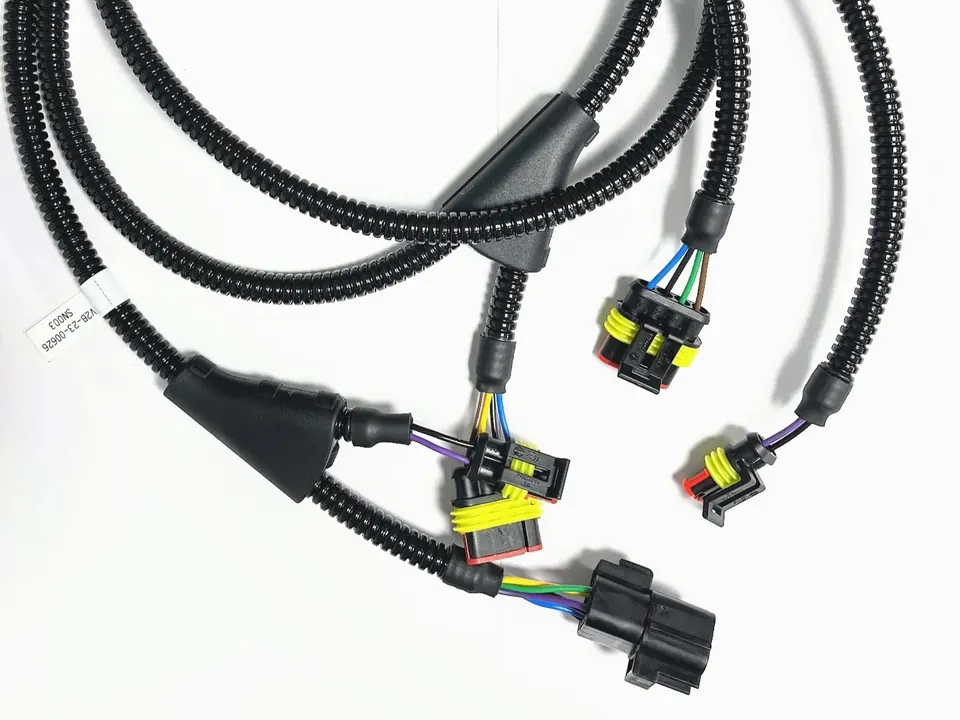
Fig. 07 of 11New harness optimised for scalable production and cost efficiency -
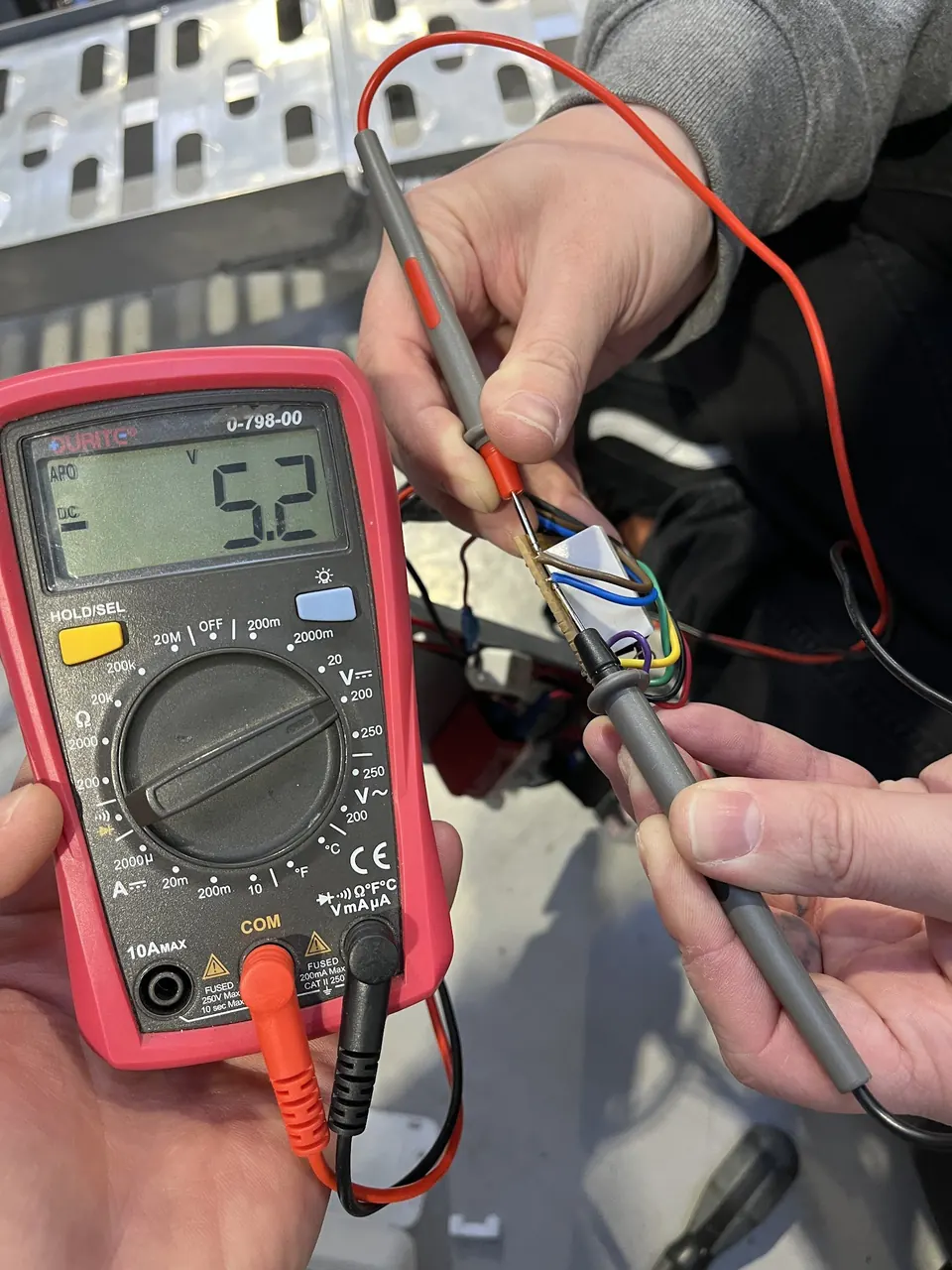
Fig. 08 of 11Control board reverse engineering, fault diagnosis & redesign -
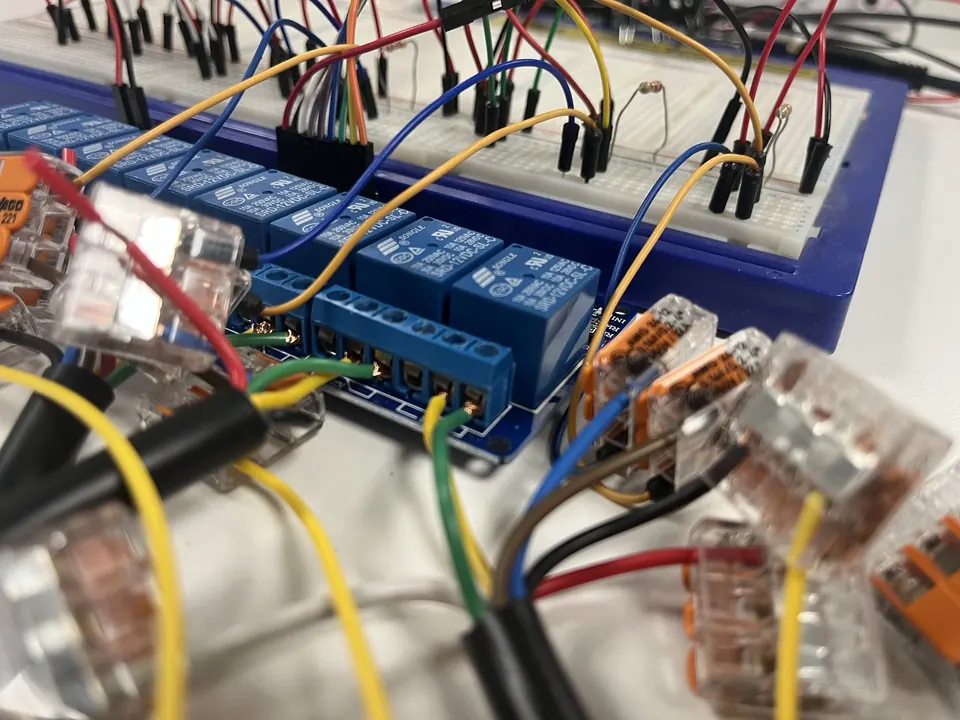
Fig. 09 of 11Arduino-powered PCB fatigue cycle testing rig -
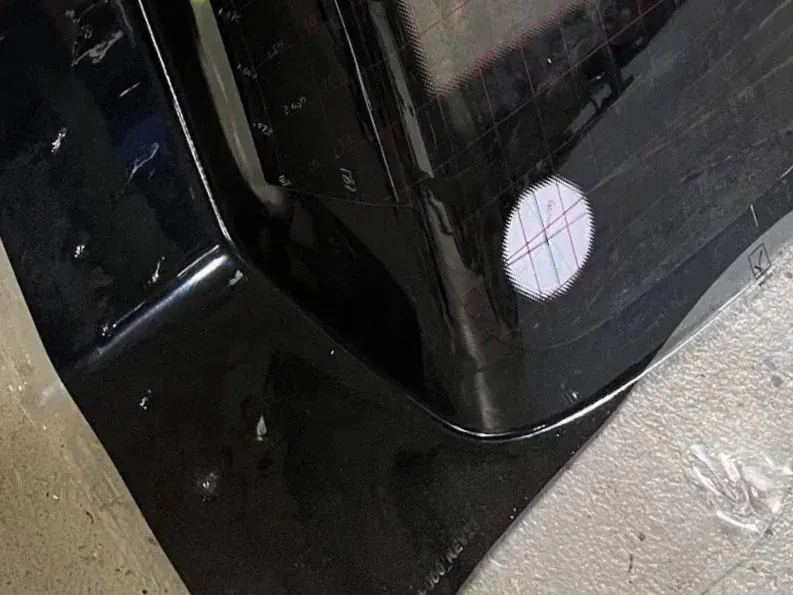
Fig. 10 of 11On-site DFM review & ideation with a Chicago-based screen manufacturer -
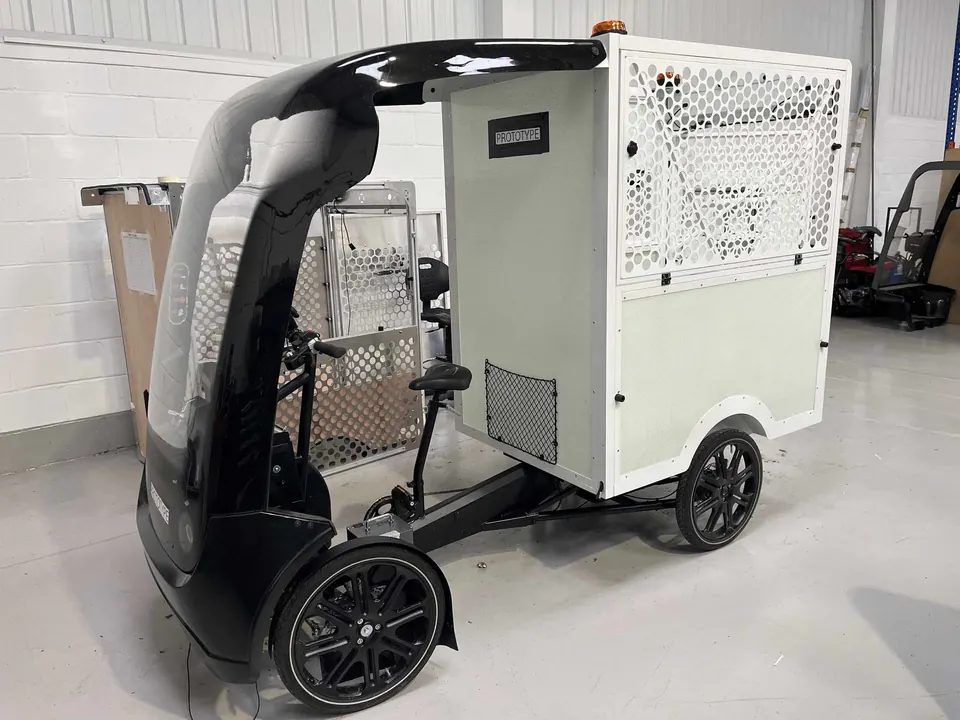
Fig. 11 of 11Engineering build prototype of the EAV Cage model
04 / Outcome
The Result
In six months, I delivered:
- 01Over £500 off the cost of every vehicle built, with no compromise on quality
- 02A redesigned chassis brought into compliance with draft EN 17860-4
- 03A simplified wiring architecture built for scalable production
- 04Tolerance issues resolved across the chassis and front axle
- 05DFM challenges resolved with suppliers in both the UK and USA
- 06Full delivery of the Cage variant including its entire electrical architecture
- 07An upskilled engineering team and a business-wide milestone process implemented across the organisation
Contact
Ready to take the next step?
Tell me about your project and I’ll get back to you within one working day.
Book a call- Phone
- +44 (0) 1926 919629
- Free introduction call
- 30 minutes on Teams »